

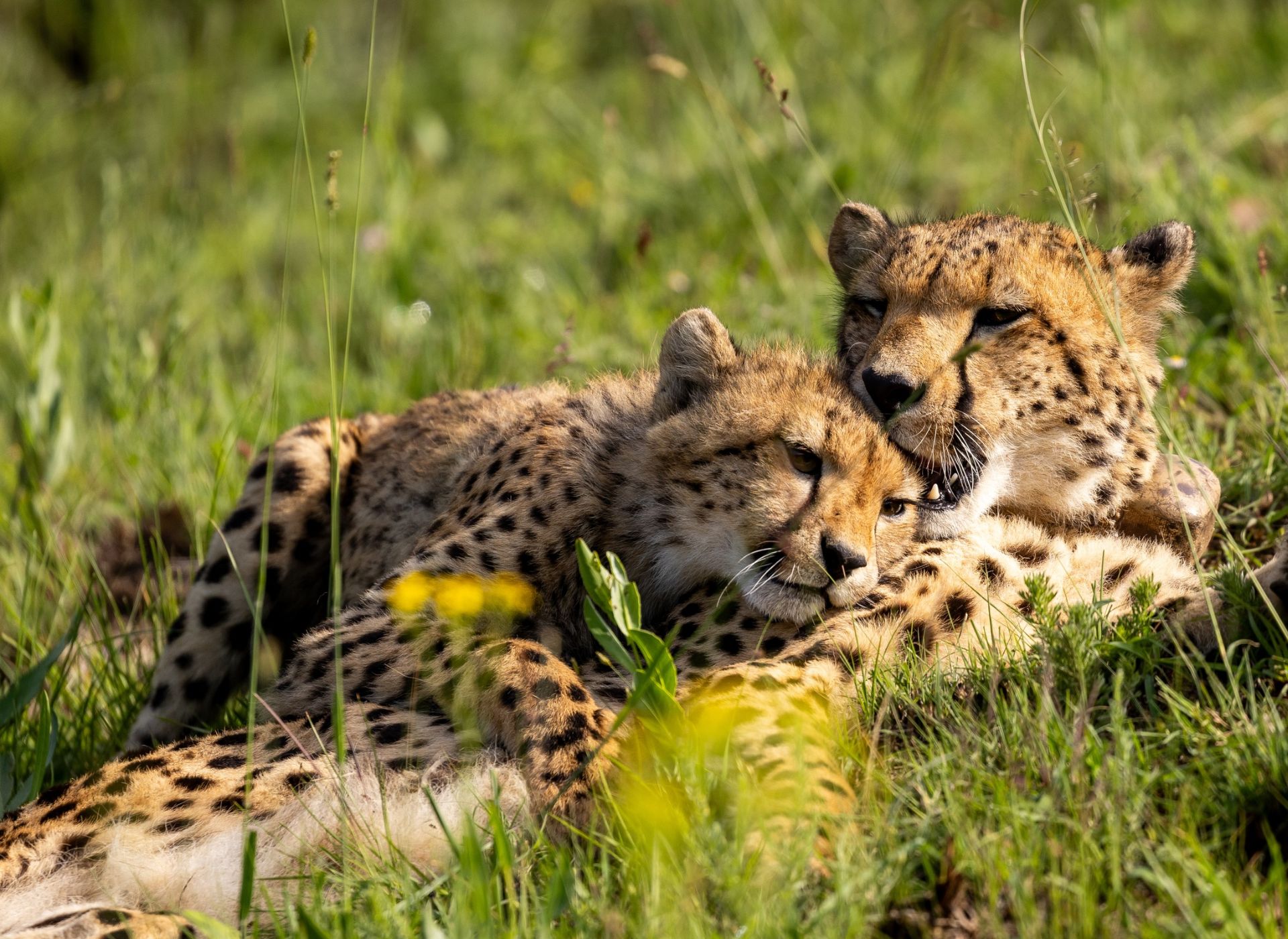
A second generation of cheetahs has arrived at Babanango Game Reserve in KwaZulu-Natal, extending the reserve’s growing contribution to the conservation of this threatened species. To support the experts on the ground in monitoring these precious new cubs, the team is leveraging state-of-the-art drone technology as part of its conservation efforts.
It’s been just over two years since one of the first female cheetahs introduced to Babanango in northern KZN gave birth to the reserve’s first litter. Now, one of her daughters has become a mother herself. The four new cubs represent an exciting next generation and a significant milestone for the reserve’s cheetah programme.
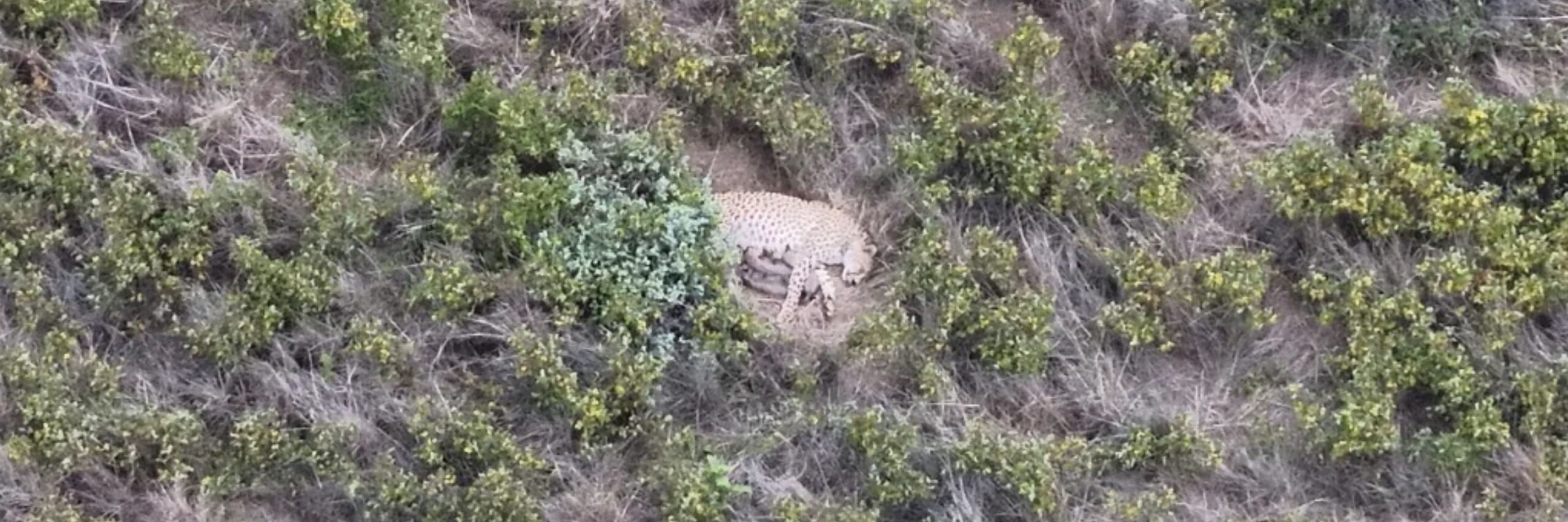
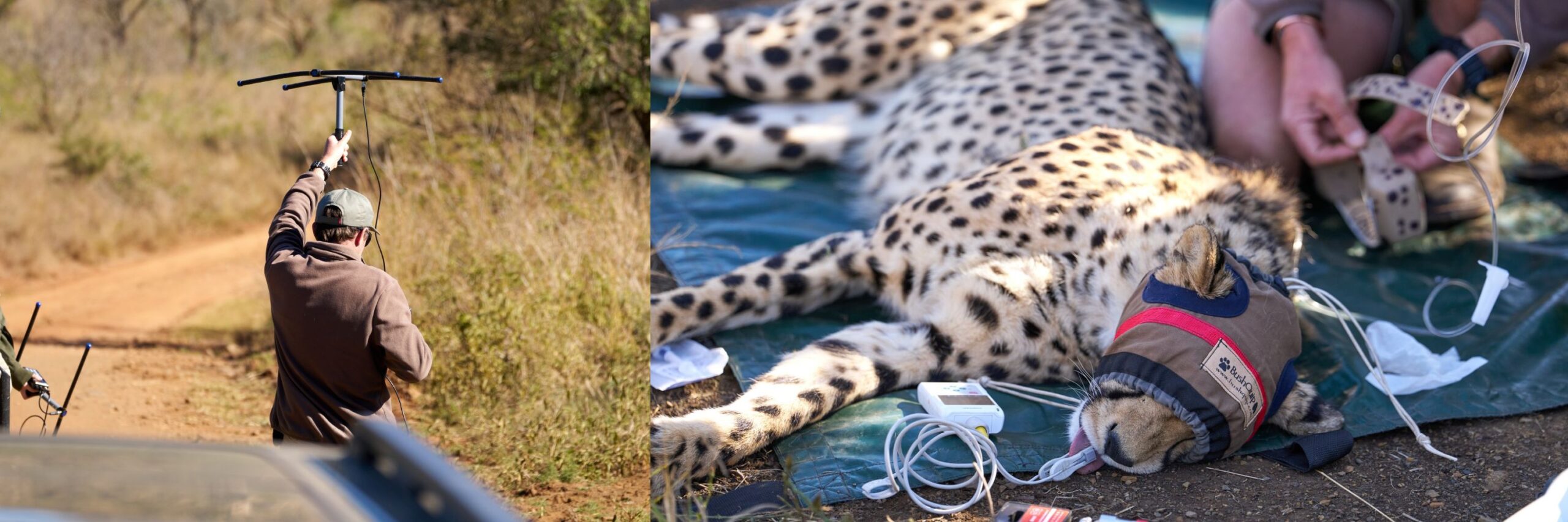
It’s also a great example of how conservation is evolving. When the team noticed unusual patterns in the young female’s tracking collar data, they suspected she might be denning, a sign she was preparing to give birth. Using a specialised monitoring drone operating at high altitude, they could locate and photograph her with her new litter – all without disturbing the animals.
This technology is providing conservationists with information that would otherwise be difficult to obtain, without upsetting the delicate natural balance being nurtured at Babanango.
A New Generation of Cheetah Cubs at Babanango
The arrival of these new cubs is particularly meaningful as it demonstrates that cheetahs introduced to Babanango are not simply surviving in their new environment; they’re well and truly thriving! For the conservation team, this is an encouraging development and a chance to contribute further to the long-term viability of the species. Babanango now has 14 cheetahs, a significant milestone in a landscape that was once completely void of these magnificent animals!
Babanango is part of the Endangered Wildlife Trust’s (EWT) Cheetah Metapopulation Project, a collaborative conservation initiative that manages cheetahs across a network of protected reserves in South Africa.
The project addresses one of the biggest challenges facing cheetahs in the country: fragmented populations. Many reserves are fenced, meaning animals cannot move freely between them as they might in a connected natural landscape. Without careful management, smaller populations can become isolated, increasing the risk of inbreeding and reducing genetic diversity.
This metapopulation approach treats these separate groups as part of one larger, managed population. Through carefully planned translocations between participating reserves such as Babanango, conservationists are helping maintain genetic diversity and, essentially, slow the decline of the species.
The programme has grown significantly. By December 2025, cheetahs had been reintroduced to 70 fenced reserves across South Africa, supporting approximately 298 breeding individuals aged 24 months and older. Babanango has already contributed several cheetahs and their genetic diversity to this wider population. The hope is that the four new cubs will eventually contribute as well.
Why Drones Matter on a 21 000-Hectare Reserve
Is it a bird? Is it a plane? No, it’s a conservation drone – and it’s doing incredible work! Finding an elusive young cheetah with a precious new litter is just one example of how drone technology can support conservation at Babanango. With the reserve sitting at around 21 000 hectares, traditional wildlife monitoring requires teams to cover large areas on foot or in vehicles. Dense vegetation, challenging terrain, large wilderness blocks and treacherous weather conditions, and the natural behaviour of animals can make locating certain species difficult, particularly when they’re trying to protect their young.
Drones offer a more effective way to gather information, with trained conservation teams observing areas from above while keeping their distance from wildlife.
How is Drone Technology Used in Conservation?
Locating elusive wildlife
As with the Babanango cheetahs, drones help conservation teams locate animals. This is useful for breeding animals, but also for elusive animals that haven’t been seen for some time, such as black rhinos. Through remote observations, teams can track animal health and behaviour, allowing them to quickly identify any situations that may require further attention.
Veterinary interventions
When veterinary intervention is needed, aerial monitoring can help the team on the ground to locate the animals quickly and assess their surroundings. This can be particularly valuable when working during short weather windows and/or under specific time schedules. Not only are helicopters being used less, the reserve is saving money and reducing the stress on the animals during interventions. Furthermore, using thermal and infrared technology allows animals that are darted to be located with relative ease, reducing the risk to people on the ground and the animal itself.
Protecting birdlife
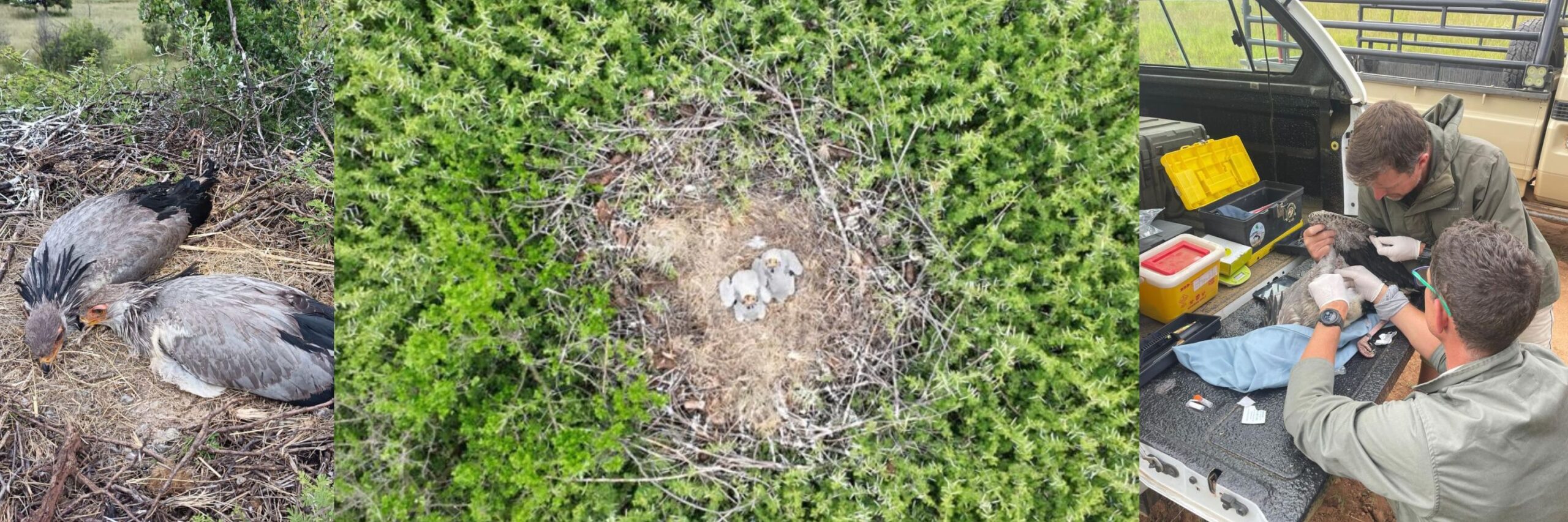
Aerial monitoring can also help the team track sensitive bird species and locate their nesting sites. Secretary birds, raptors, and vultures are some great examples of species that can be monitored using drone technology. Through this, the team gets useful information about breeding activity and habitat conditions while minimising disturbance.
Understanding landscape changes
Conservation is not only about monitoring animals but also the condition of the habitat they depend on. Drone surveys can help the Babanango team map vegetation changes, monitor bush encroachment, identify invasive alien plants, and assess erosion. They can also be used to track the impact of elephants on vegetation and understand how different areas of the reserve are changing over time.
Monitoring fire and its impact
Fire plays an important role in many African ecosystems, but uncontrolled fires pose a great risk to wildlife and habitats. Drone technology can help with monitoring fires within and beyond Babanango Game Reserve, allowing reserve management to respond quickly where and when needed, significantly cutting down response times. Aerial mapping can also help assess burn areas and track vegetation recovery over time. This provides a better understanding of how fire affects the landscape and supports ongoing habitat management.
Drones Are Part of a Bigger Conservation Vision
At Babanango, technology supports the broader conservation commitment, which is to restore a significant part of Zululand’s natural heritage while ensuring that local communities share in its long-term value.
Found in the upper White Umfolozi River Valley, the reserve has undergone an extensive rewilding journey. Its development has involved restoring habitats, managing alien and invasive vegetation and reintroducing wildlife, including the Big Five – and cheetahs.
Guests visiting Babanango can experience the Big Five wilderness while supporting this ongoing conservation work. Monitoring animal populations, protecting habitats, supporting breeding programmes, and maintaining ecological balance all require expertise and resources – such as innovative technology.
Drone technology is becoming an increasingly valuable tool in this work. While it doesn’t replace experienced conservation teams, it does give them another way to safely observe and protect the species. The arrival of the cheetah cubs is another glimpse of a future that responsible wildlife management can help make possible.
At Babanango, the view from above is helping protect the extraordinary life on the ground.
Want to see conservation in action on the ground? Join a Wildlife Monitoring Experience: an immersive outing with one of our trained wildlife monitors, paired with a bush picnic. You may track priority species such as black rhino, cheetah, elephant and lion, but what you experience depends on the conservation work happening on the reserve at the time of your stay, so activities and timings vary. It’s always a hands-on and authentic way to experience the wild from a different perspective. Spaces are limited each week, so book in advance through Reservations.
FAQs About Cheetah and Drones at Babanango
Where can I see cheetahs in South Africa?
Cheetahs can be found in several South African national parks and private game reserves. These include Kruger National Park, Kgalagadi Transfrontier Park, and participating reserves within the Endangered Wildlife Trust’s Cheetah Metapopulation Project. Babanango Game Reserve in KwaZulu-Natal is one of the reserves contributing to this managed conservation population.
Can you see cheetahs at Babanango Game Reserve?
Yes. Babanango is home to cheetahs as part of its diverse wildlife offering. However, sightings of wild animals can never be guaranteed. Guests may have the opportunity to see cheetahs during guided game drives, depending on their movements and conditions on the reserve.
How does drone technology help conservation?
Specialised monitoring drones help conservation teams observe wildlife from a distance, reducing the need to approach potentially vulnerable animals. Combined with tracking collar data, drones can help identify denning activity, monitor animal behaviour and support conservation assessments while minimising disturbance.