

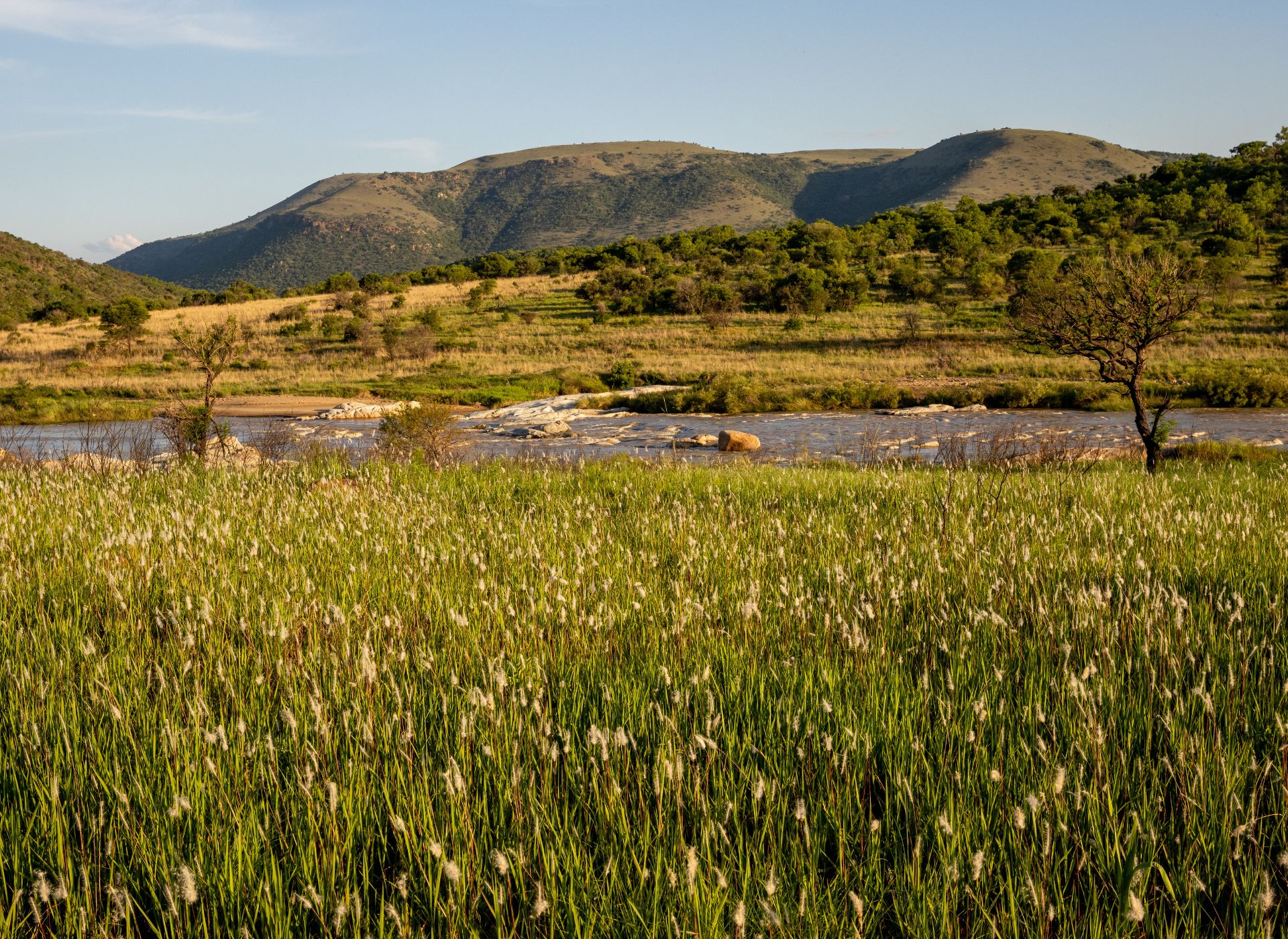
Babanango Game Reserve continues to strengthen its position as one of South Africa’s leading conservation and ecotourism destinations, with the introduction of almost 400 new animals over the past weeks, and the expansion of the protected landscape to 20,277 hectares.
Located in the heart of Zululand, Babanango has become synonymous with conservation-led tourism, balancing wildlife protection and habitat restoration with meaningful community benefaction. These milestones form part of a much larger vision to protect landscapes while strengthening the ecological integrity of the reserve.
According to Ryan Andraos, Head of Conservation and Operations at Babanango: “Our reserve expansion plans are incredibly exciting because they represent a unique opportunity to secure additional land for conservation protection under the Protected Areas Act. By protecting vulnerable landscapes today, we are helping safeguard biodiversity, ecosystem services, and sustainable tourism opportunities for future generations.”
Welcoming New Animals
Recent Wildlife Introductions |
|
Species |
Number Introduced |
| Blesbok | 173 |
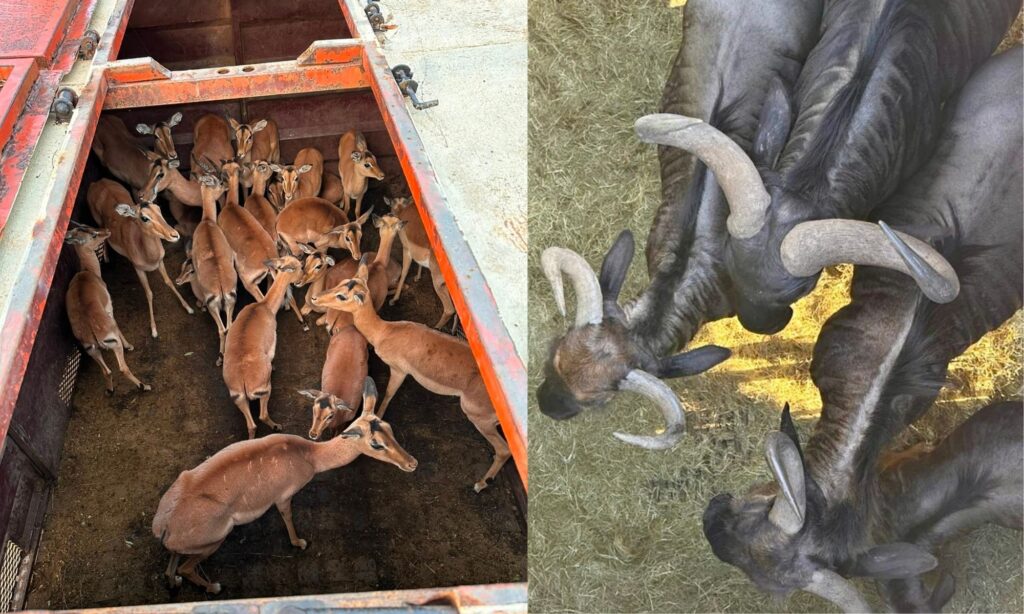
| Impala | 142 |
| Ostriches | 33 |
| Zebra | 16 |
| Blue Wildebeest | 10 |
| Elephants | 2 |
| Klipspringer | 1 |
Total |
377 |
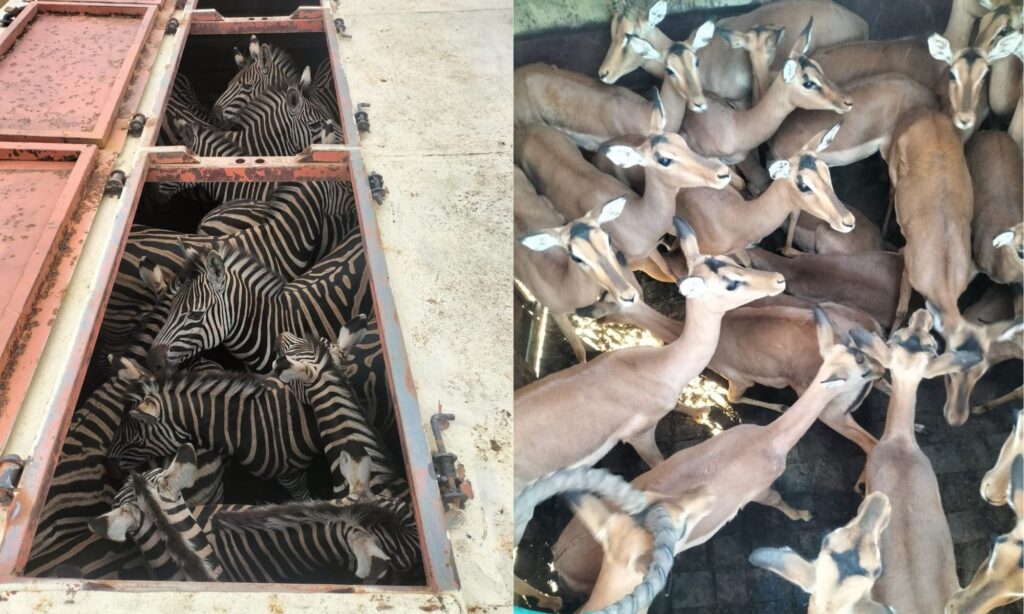
The addition of a variety of animal species brings significant benefits to both the reserve’s biodiversity and its long-term ecological health. Different species interact with the landscape in unique ways, helping to create a more balanced and resilient ecosystem.
Species such as impala, blesbok, zebra and wildebeest each occupy different ecological niches within the reserve. Their presence contributes to healthy grazing dynamics and supports the diversity of habitats across Babanango.
Larger species, such as elephants, also play an important role in shaping the environment through their natural movement and feeding behaviour, creating conditions that benefit numerous other species.
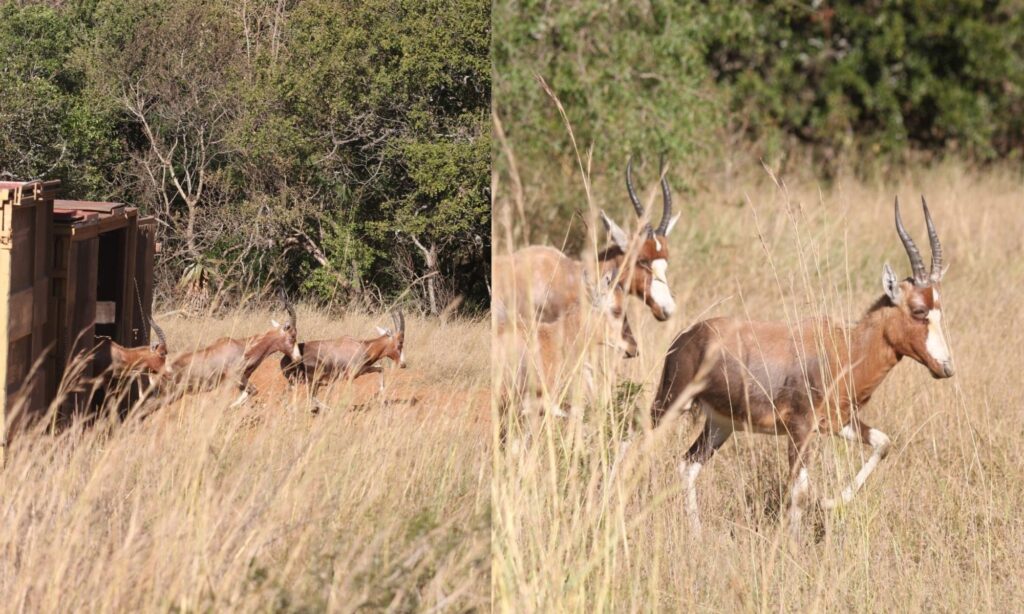
The varying grazing, browsing and movement patterns contribute to natural vegetation management, support plant diversity, and help maintain healthy grassland and bushveld systems.
These additions also enhance wildlife viewing opportunities for guests while supporting the reserve’s broader conservation objectives.
Expanding its Conservation Footprint
In addition to the recent wildlife introductions, Babanango has incorporated an additional 27 hectares of mist belt grassland into the reserve. This increases the protected area to 20,277 hectares, further strengthening conservation efforts in the region.
Mistbelt grasslands are important ecological assets that support a wide range of plant and animal species and provide vital ecosystem services, including water retention, soil protection, and carbon storage.
The newly incorporated land will benefit from Babanango’s environmental management approach, which includes responsible fire management, carefully monitored grazing practices, soil erosion prevention measures, and ongoing control of alien vegetation.
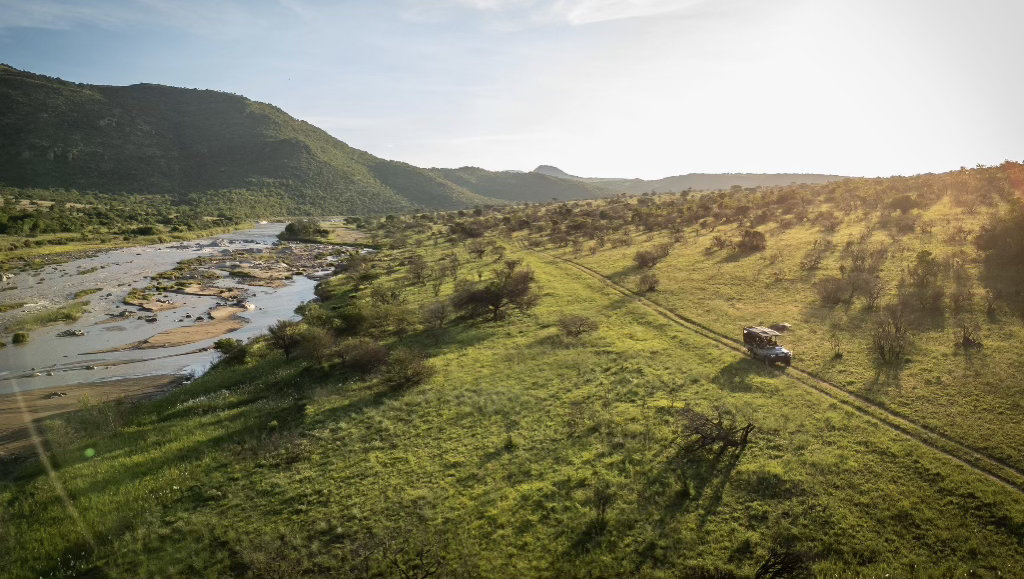
Why Reserve Expansion Matters
Babanango’s expansion strategy incorporates several advantages for this beautiful region. These include:
- Preserving vulnerable landscapes
- Supporting sustainable ecotourism
- Protecting biodiversity
- Strengthening ecosystem services
- Improving carrying capacity
- Benefitting surrounding communities
For visitors to our South African game reserve, these developments translate into richer wildlife encounters and an even more immersive and meaningful safari experience.
Beyond tourism, however, the expansion reflects Babanango’s commitment to safeguarding natural landscapes for future generations. By protecting critical habitats and supporting biodiversity, the reserve’s management is creating sustainable economic opportunities for those who have inhabited the region for generations.