

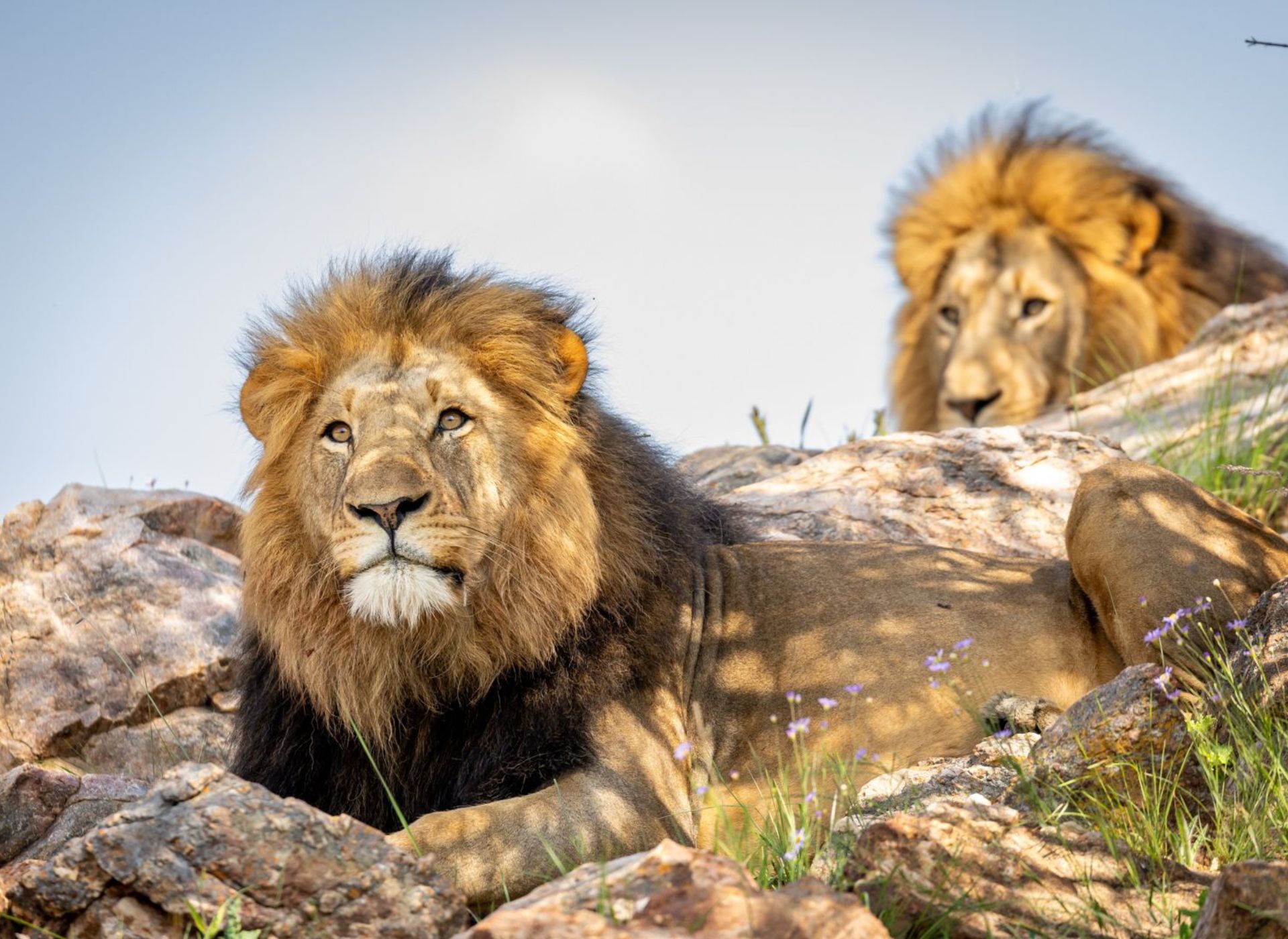
Every safari guest remembers that moment when they first spot a lion. The cameras come out, conversation dims to a whisper, the heart rate quickens and palms get sweaty, as you suddenly realise there’s very little between you and these apex predators! The majesty of seeing these predators in real life becomes the only focus.
At Babanango Game Reserve, we believe the real story begins after the sighting.
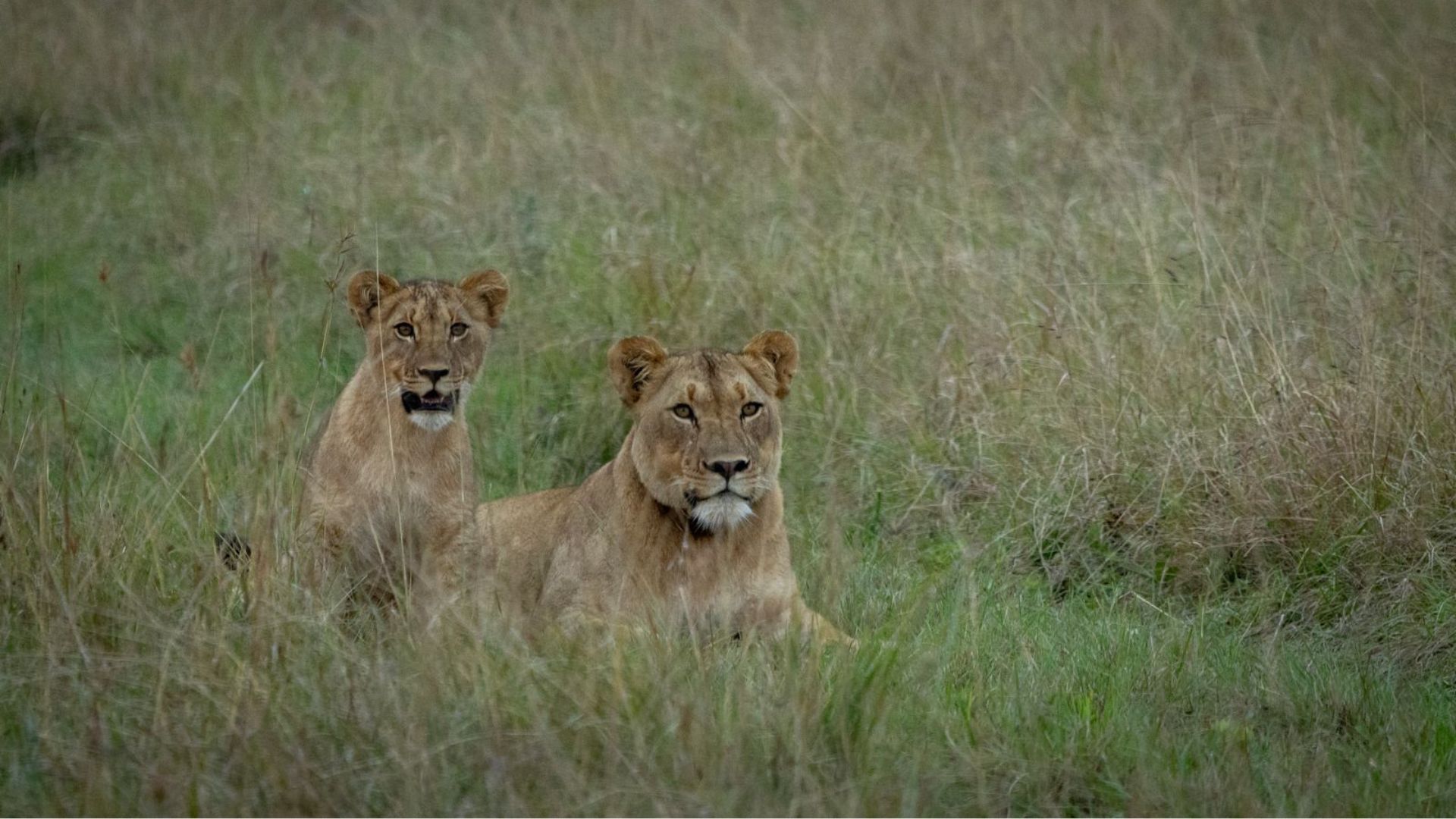
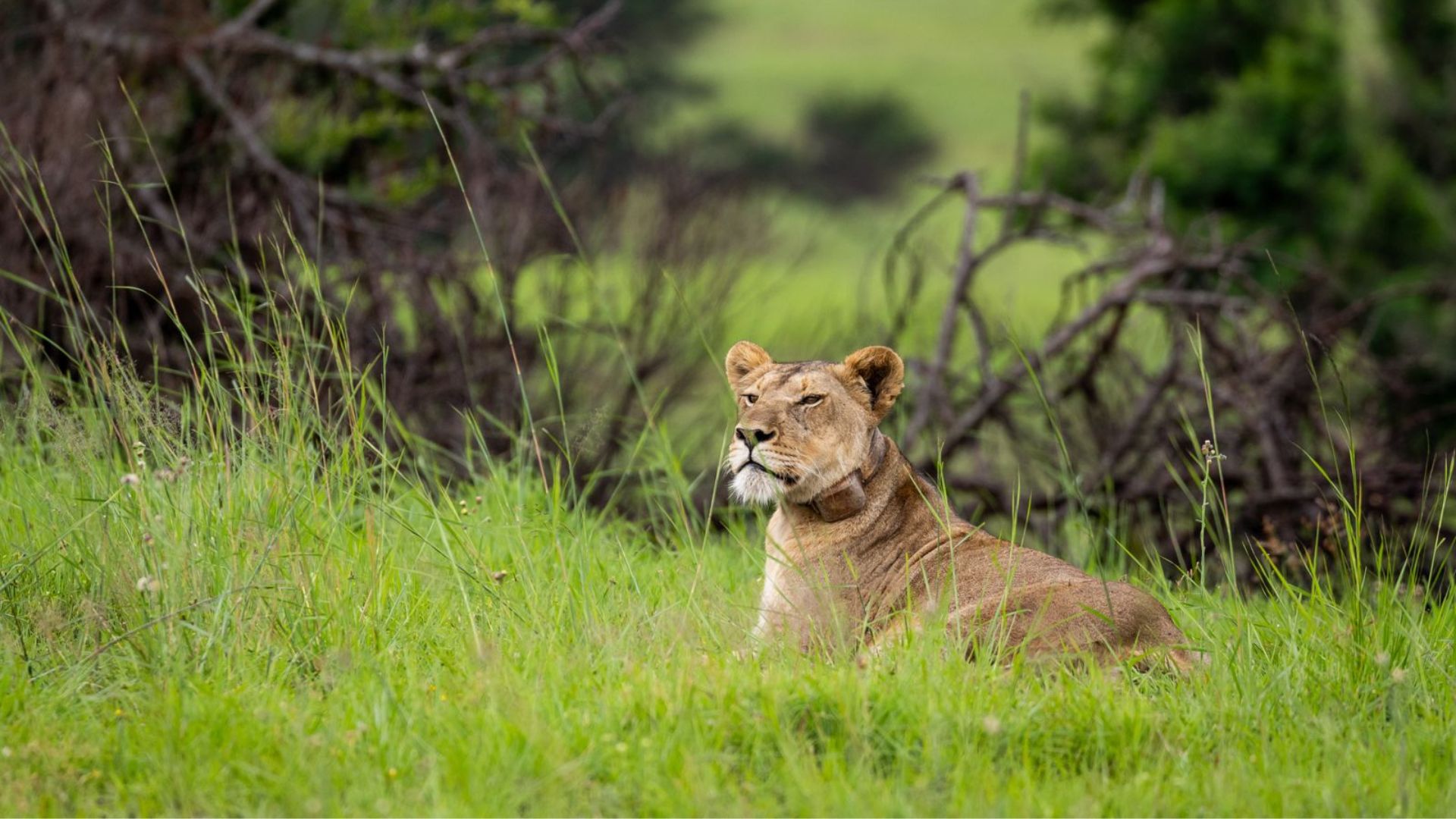
A lion lying quietly in the grass may appear to be doing very little, yet experienced guides know that every movement and posture reveals something meaningful. A flick of a tail, a low contact call between pride members, cubs chasing one another through the grass, or a lioness lifting her head to test the breeze all provide clues about the pride.
As World Lion Day (10 August) shines a spotlight on one of Africa’s most iconic mammals, there’s no better time to look beyond the excitement of the sighting and discover the fascinating behaviour that makes lions so unique.
A Lion Population Worth Watching
For more than 150 years, lions were absent from this part of Zululand in northern KwaZulu-Natal.
Watch our video on lions being released at Babanango Game Reserve.
Their return to Babanango Game Reserve marked an important milestone in the reserve’s ongoing conservation journey, helping restore one of Africa’s most important predators to a landscape where it once naturally occurred.
Today, that story has entered an exciting new chapter.
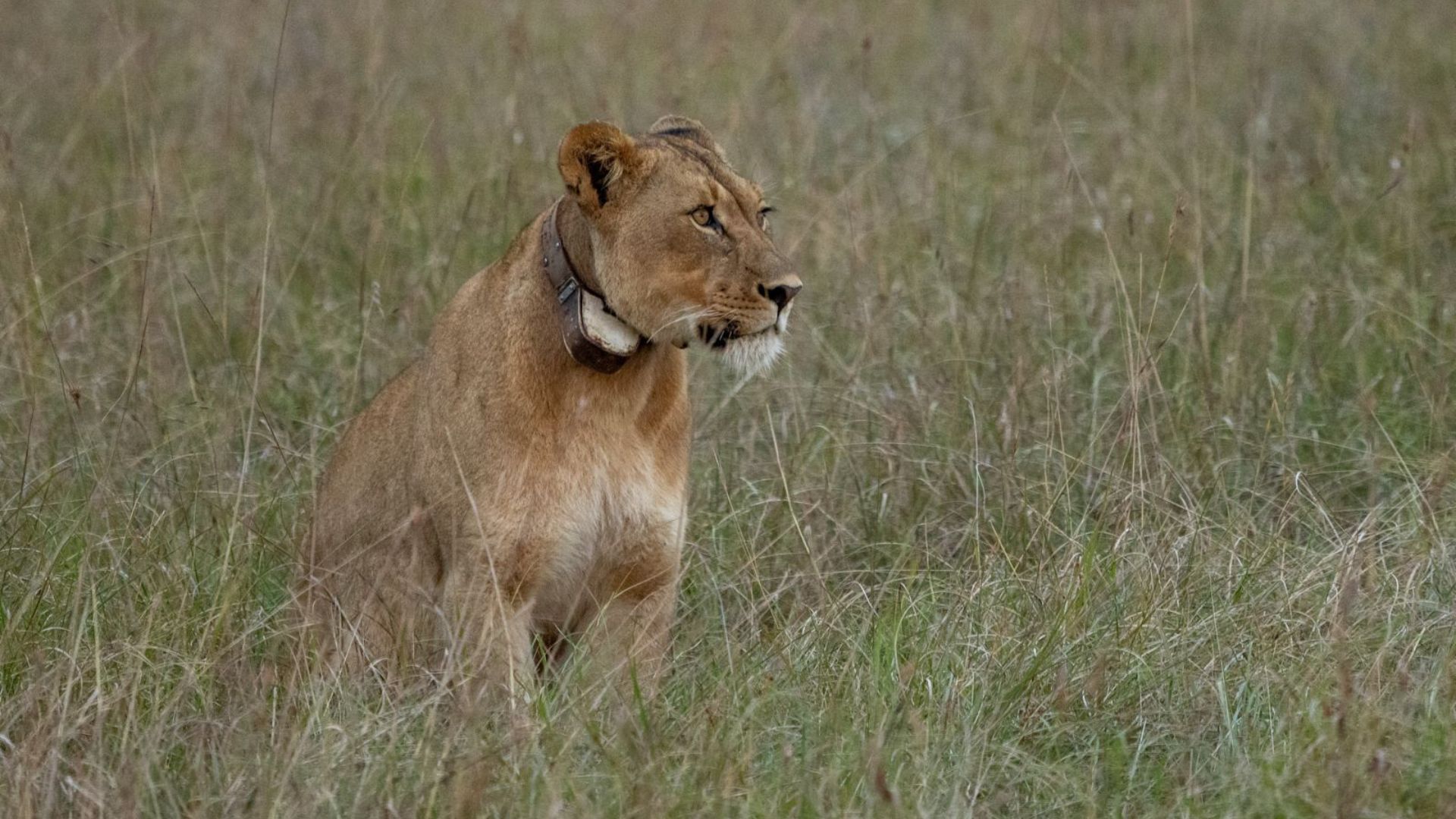
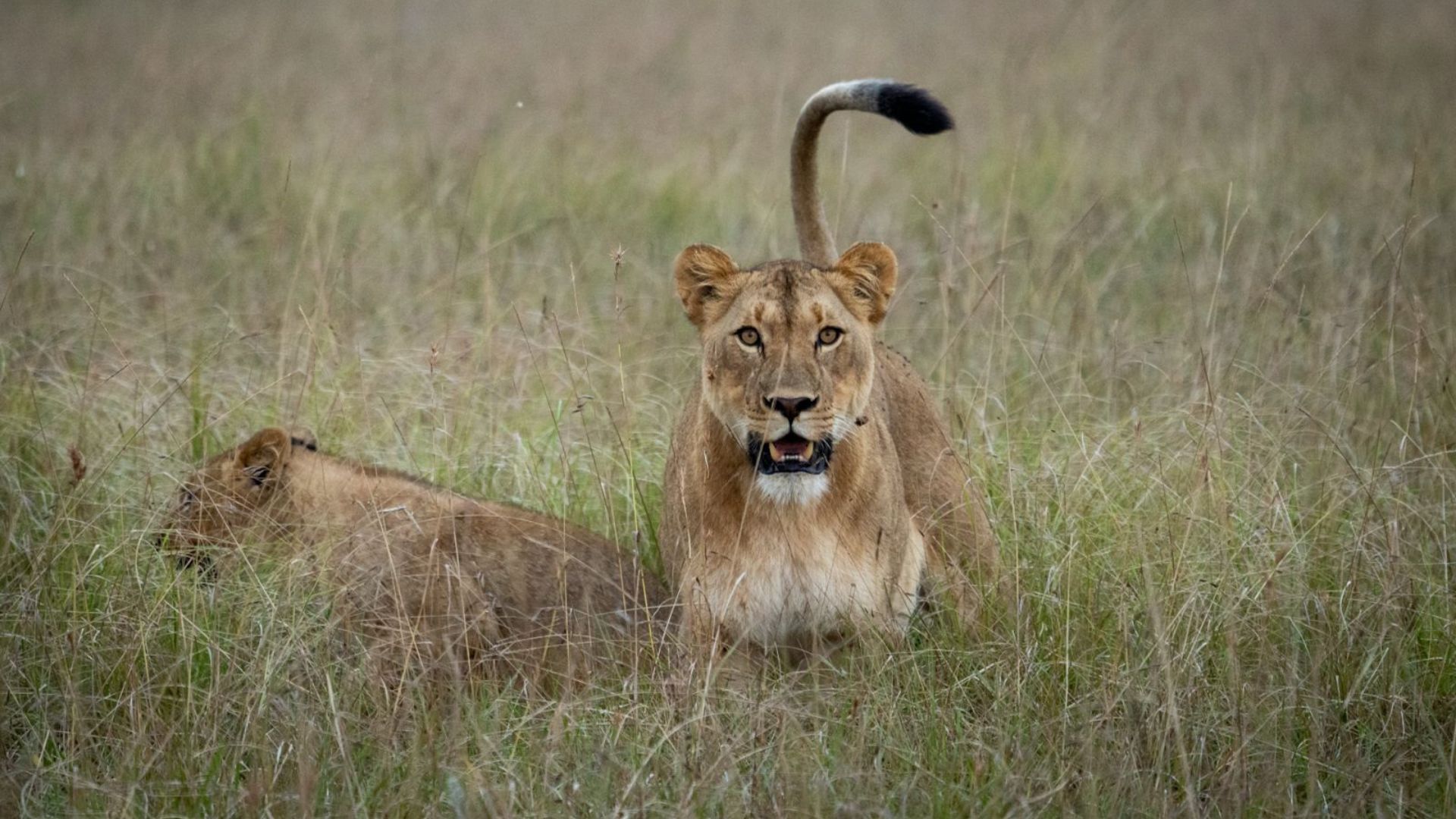
Our reserve is now home to three lion prides with a total of 10 cubs thriving in the wild. These include (working titles):
- The Nhlebela Pride: 2 lionesses and 3 cubs
- The Ngono Pride: 1 lioness and 5 cubs
- The Nsubeni Pride: 2 lionesses and 2 cubs
* We currently have 2 resident males on the reserve.
This is significant because cubs born and raised in the wild indicate the prides are settled in their environment and breeding successfully. This is a sign of a healthy lion population.
With the numbers growing, every sighting reveals another layer of significance as guests witness first-hand the next generation of Babanango’s lions in their natural habitat.
Discovering Pride Dynamics (and Celebrating Women!)
Finding lions is great. Understanding them is so much better.
Rather than ticking another species off a wildlife checklist, we encourage guests to slow down and watch what unfolds. Lions are the only truly social cats, living in family groups where every interaction serves a purpose.
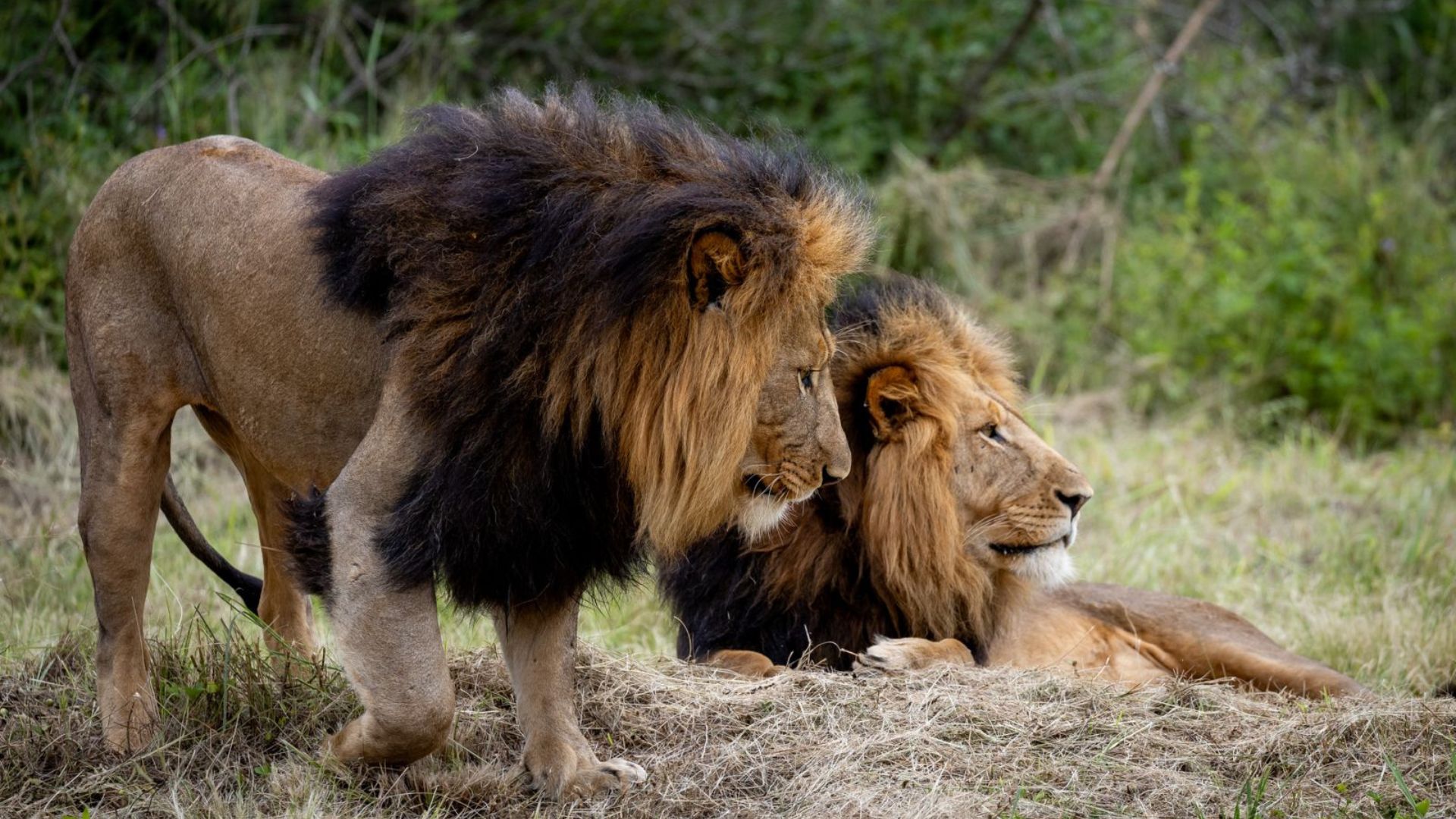
A lion pride is really a close-knit family, typically made up of related lionesses, their cubs, and one or more resident males who protect the pride and its territory.
In a fitting reflection of Women’s Month – with Women’s Day (9 August) celebrated just one day ahead of World Lion Day – lionesses form the backbone of the pride.
Unlike males, females usually remain with their family group for life, building strong social bonds that help ensure the pride’s long-term success. They cooperate during hunts, defend one another, and share responsibility for raising the next generation.
One of the most remarkable behaviours our guides often explain is cooperative cub-rearing. Lionesses frequently synchronise their breeding, allowing cubs of similar ages to grow up together. Mothers will often nurse and care for one another’s cubs, giving the young lions a greater chance of survival while strengthening social bonds within the pride.
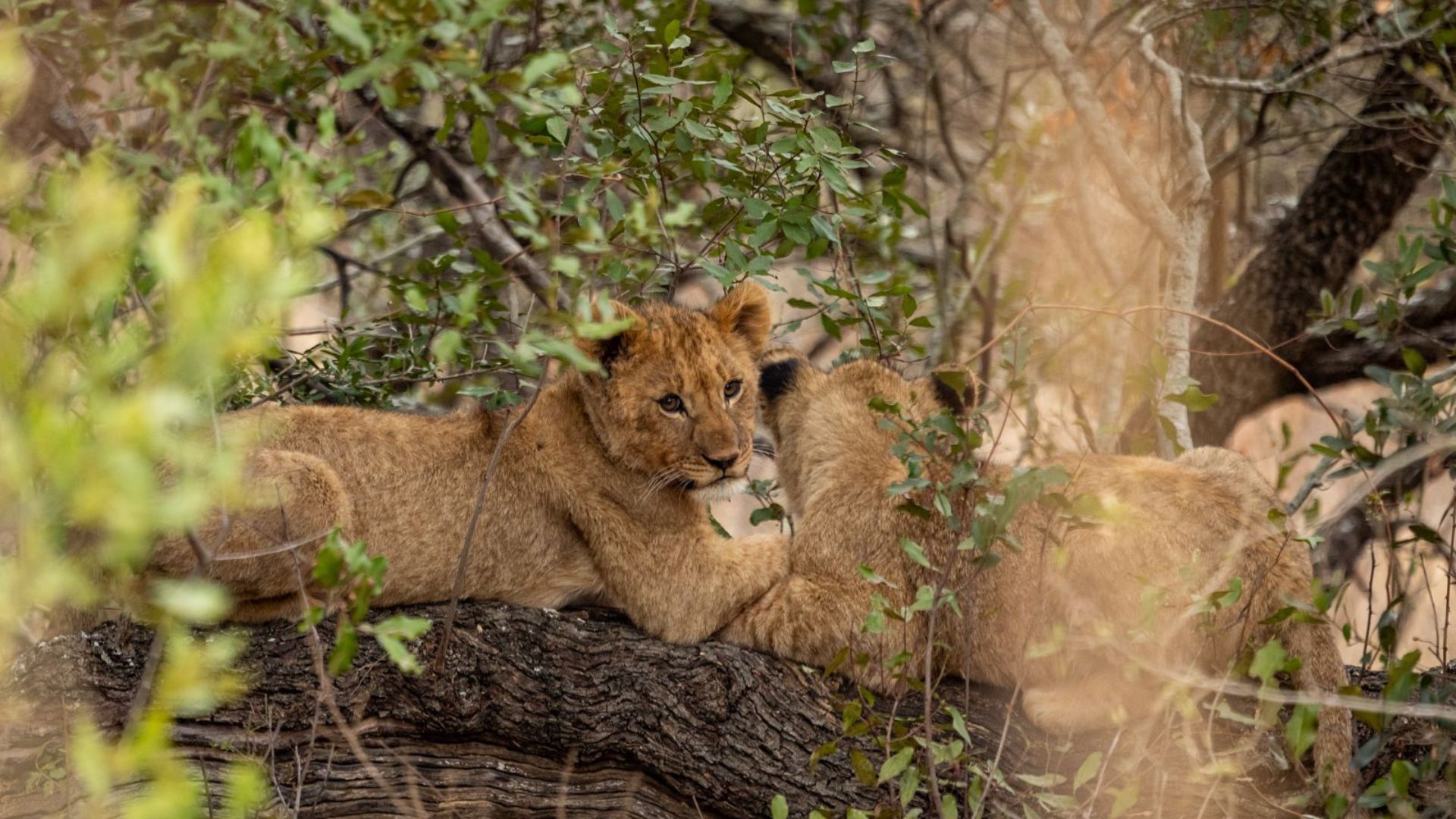
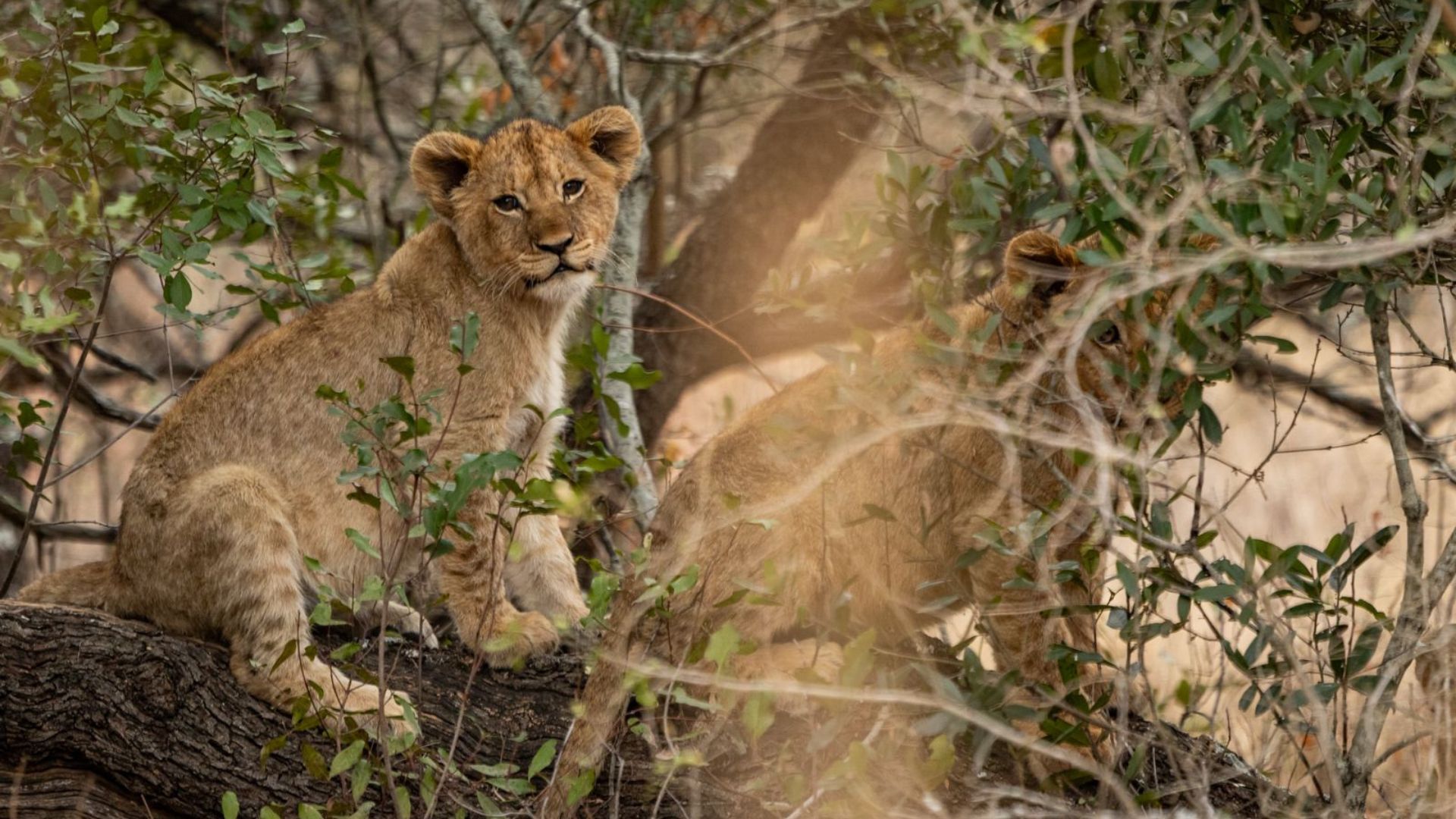
For guests, watching cubs tumble over one another or stalk siblings through the long grass may seem playful (and it really is!), but these games are important. Play teaches cubs how to stalk prey, judge distances, wrestle, develop confidence, and understand social boundaries. Today’s playful chase becomes tomorrow’s hunting technique.
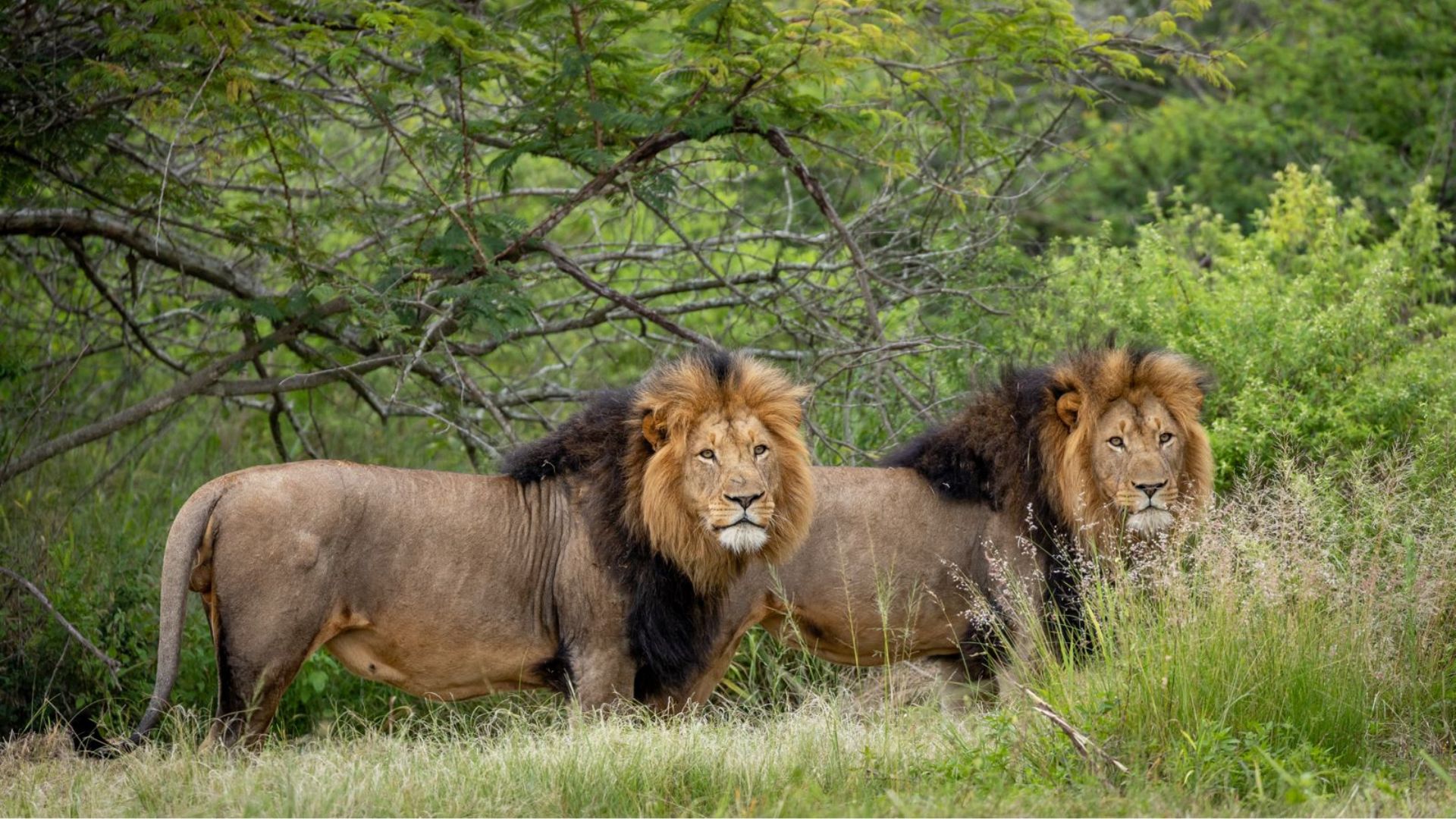
Male lions are understandably the guardians who must defend the territory by fighting off rivals and secure their breeding rights! There’s less cooperation between males as they fight for their place in the pride, often ousting the ageing lions who must fend for themselves.
The Guide’s Toolkit: Reading Lion Behaviour
Our guides spend years learning to interpret subtle behavioural cues that many guests may never notice. Understanding lion behaviour transforms every game drive into a richer wildlife experience.
Listening to Lion Vocalisations
Roaring may be the most recognisable lion sound, but it’s actually part of a much larger language. A deep territorial roar can travel up to eight kilometres across the landscape, warning rival lions that a territory is occupied.
Lionesses often use softer contact calls to locate one another, while cubs emit higher-pitched distress calls if separated from the pride.
Even when not visible, our guests start to discover they can better understand what lions are trying to communicate when they hear them at night. The different sounds also allow our guides to interpret what may happen next, whether the pride is regrouping, chatting to distant members, or responding to neighbouring lions.
Reading Body Language
Just like us, lions also communicate without making a sound. A relaxed lion lying comfortably with its ears forward and tail still is often calm and content.
A flicking tail, flattened ears, or tense posture may indicate irritation or heightened awareness. Before a hunt, lionesses often become noticeably focused, lowering their bodies, fixing their gaze, and moving deliberately through cover (much like a regular house cat might!).
Even seemingly affectionate behaviours tell a story. Lions rubbing heads or grooming one another reinforce social bonds that keep the pride united.
Understanding Scent Marking
One fascinating behaviour guests occasionally witness is a lion appearing to ‘smile’. In reality, the lion is performing what’s known as the Flehmen Response.
After detecting scent left by another lion – often through urine sprayed on bushes or trees – the animal curls back its upper lip to draw airborne chemicals towards the specialised Jacobson’s Organ in the roof of its mouth. This allows lions to gather detailed information about another lion. This could be the lion’s identity, reproductive status, recent movements, or more.
Both males and females use scent marking to communicate. Males frequently spray vegetation to define territorial boundaries, while females also leave scent signals that help maintain contact within the pride.
Experience the Story Behind Every Sighting
Every lion sighting at Babanango tells a story. Sometimes it’s a coalition of males patrolling their territory. Sometimes it’s curious cubs learning the rules of pride life. Other times it’s a lioness silently communicating with her family through movements almost invisible to the untrained eye.
Our guides help guests see these moments differently, turning a simple sighting into an unforgettable lesson in conservation.
This World Lion Day, we invite you to discover more about these incredibly unique animals.
Book your stay at one of Babanango Game Reserve’s luxury safari lodges and experience the expertise of guides who help you understand wildlife.
Lions at Babanango Game Reserve: FAQs
How many lion prides are there at Babanango Game Reserve?
Babanango Game Reserve is currently home to three lion prides, with a growing population that includes 10 cubs. The birth of cubs across all three prides is an encouraging sign of a healthy, established lion population and an important conservation milestone for the reserve.
What can I learn about lion behaviour on a game drive at Babanango?
A lion sighting at Babanango is about much more than simply seeing the animal. Experienced guides help guests interpret fascinating behaviours such as pride interactions, cub play, territorial scent marking, body language, and vocalisations. Understanding these subtle behaviours provides a much deeper appreciation of how lions communicate, hunt, protect their territory, and raise their young in the wild.
Why are Babanango’s lions significant from a conservation perspective?
It is significant from a genetic diversity perspective, which is vital for the survival of the species. It’s also notable in that Babanango Game Reserve has provided the lions with sufficient protected land for habitation and safe breeding. Today, the presence of three established prides and multiple cubs demonstrates that the population is breeding and thriving naturally. Every lion sighting reflects the success of Babanango’s long-term conservation efforts to restore a healthy, functioning ecosystem in the heart of Zululand.